Enrol Today

Cognitive
Health

Access

12 months

Format

Online Learning Module

Duration

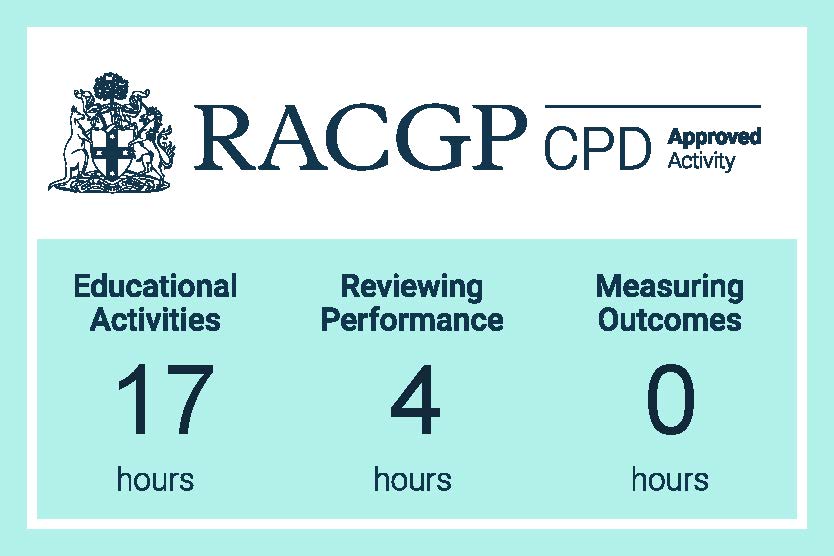
21 hours

Presenters

Prof. Charlie Teo, Dr. Christabelle Yeoh, Dr. Brad Leech, Dr. Nicole Bijlsma, Dr. Leila Masson, Dr. Dave Jenkins and more

Explore the latest evidence and clinical strategies for assessing and managing neuroinflammation, cognitive dysfunction and cognitive decline. 

Cognitive health is one of the most important and rapidly evolving areas of integrative medicine. From brain fog, fatigue and mood changes through to cognitive decline and neurodegenerative disease, practitioners are increasingly being called on to understand the complex and interconnected factors influencing brain function. 

The updated ACNEM Cognitive Health module brings together leading clinicians, researchers and educators to explore the biological, metabolic, immune, environmental and lifestyle factors contributing to cognitive dysfunction. 

Featuring updated content from ACNEM's The Neuro Blueprint: Integrative Approaches to Cognitive Health event, alongside expert presentations, emerging research and clinical case studies, this comprehensive module takes a systems-based, evidence-informed approach to cognitive health. 

Across eight key learning areas, practitioners will explore the mechanisms underlying neuroinflammation and cognitive decline, the role of the gut–brain–immune axis, assessment and diagnostic approaches, environmental influences, neuroplasticity and therapeutic strategies. 

With a strong focus on translating research into clinical practice, the module provides practical insights to support cognitive function, neurological resilience and personalised patient care across the lifespan. 

Enrol today and expand your clinical understanding of cognitive health through practical, evidence-informed education. 

Learn from leading experts

This module brings together leading voices in integrative medicine, neuroscience, nutritional and environmental medicine, gastrointestinal health and cognitive care. 

Presenters include Prof. Charlie Teo, Dr. Christabelle Yeoh, Dr. Brad Leech, Dr. Leila Masson, Dr. Nicole Bijlsma, Dr. Dave Jenkins, Dr. Jason Hawrelak, Prof. Kerry Bone, Dr. Denise Furness and more. 

What you'll learn

By completing this module, practitioners will gain a deeper understanding of: 

  • The key mechanisms contributing to cognitive dysfunction, including neuroinflammation, insulin resistance, metabolic dysfunction and mitochondrial health. 
  • The gut–brain–immune axis, including the role of dysbiosis and the ageing microbiome in cognitive health. 
  • Assessment and diagnostic approaches, including biomarkers, genetic assessments and clinical investigations. 
  • Environmental influences and their potential contribution to neuroinflammation and cognitive decline. 
  • Neuroplasticity and cognitive adaptation, including the brain's capacity to adapt and reorganise. 
  • Evidence-informed therapeutic strategies, including dietary interventions, nutraceuticals and herbal medicine. 
  • Emerging clinical approaches, including Transcranial Magnetic Stimulation (TMS), precision medicine and the Bredesen Protocol. 
  • Practical, case-based approaches to complex cognitive and neuroinflammatory presentations. 

What's included

  • 21 hours of CPD hours
  • Eight themed learning sections 
  • Clinical workshops and real-world case studies 
  • Updated research and additional reading resources 
  • Clinical protocols and therapeutic considerations 
  • Expert panel discussion from The Neuro Blueprint 

Course Overview

1. Foundations of Neuroinflammation & Cognitive Decline 

Explore the multifactorial mechanisms contributing to cognitive dysfunction, including insulin resistance, metabolic dysfunction, neuroinflammation, paediatric presentations, neuroplasticity and precision medicine approaches. 

2. Gastrointestinal Health 

Examine the relationship between gut health and brain function, including dysbiosis, the ageing microbiome and the gut–brain axis.

3. Assessment & Diagnostics 

Explore approaches to assessing neuroinflammatory conditions and cognitive decline, including biomarkers, clinical investigations and genetic assessments.  

4. Environmental Exposures 

Understand the potential role of environmental triggers and toxic exposures in neuroinflammation and neurological health. 

5. Clinical & Therapeutic Strategies

Examine evidence-informed approaches to supporting cognitive health, including dietary strategies, nutraceuticals, herbal medicine and therapeutic interventions.  

6. Workshops & Case Studies 

Apply knowledge to real-world clinical presentations through practical case-based discussions covering cognitive decline, neuroinflammatory conditions, neurological health and genetic profiling.

7. Research & Special Topics

Explore emerging clinical applications of Transcranial Magnetic Stimulation (TMS), alongside the influence of trauma and psychosocial factors on neurological health. 

8. Expert Q&A Panel 

Gain additional perspectives from the expert speaker panel of The Neuro Blueprint: Integrative Approaches to Cognitive Health. 

Topic Overview

Topic
PRESENTER
1. Foundations of Neuroinflammation & Cognitive Decline
Multifactorial Mechanisms of Cognitive Dysfunction
Dr. Christabelle Yeoh
Insulin Resistance, Metabolism and Cognitive Decline
Dr. Jim Parker
When the Brain Is Inflamed: Recognising and Treating Neuroinflammation in Children & Case Study 
Dr. Leila Masson
Neuroplasticity and Cognitive Adaptation
Prof. Charlie Teo AM
Reversing Cognitive Decline Using a Multifaceted Precision Medicine Approach
Dr. Dave Jenkins
An Update on the Bredesen Protocol Trial Results and New Advanced Therapies
Dr. Dave Jenkins
2. Gastrointestinal Health
From Dysbiosis to Brain Function 
Dr. Brad Leech
The Ageing Microbiome
Dr. Jason Hawrelak
3. Assessment and Diagnostics
Assessment of Neuroinflammation - Biomarkers to Manage Neurodegeneration
Dr. Christabelle Yeoh
Genetic Assessment for Cognitive Decline
Dr. Denise Furness
4. Environmental Exposures
Environmental Triggers of Neuroinflammation
Dr. Nicole Bijlsma
5. Clinical & Therapeutic Strategies
Dietary Strategies to Support Cognition and Neuroprotection
Stephanie Berglin
Use of Nutraceuticals to Address Neuroinflammation and Pain
Dr. Nicole Nelson
Functional Herbal Therapy (FHT) and Age-related Cognitive Decline
Prof. Kerry Bone
6. Workshops & Case Studies
Case Study: Neurological Reboot - Restoring Visceral Sensitivity 
Dr. Nick Morgan 
Case Study: Sharpening Cognition after 60
Dr. Sarah Stephens
Workshop 1: Case Based - Overview & NEM Management of Neuroinflammatory Brain Conditions
Dr. Nicole Nelson
Workshop 2: Case Based - Multiple Sclerosis and Ischemia
Dr. Scott Wustenberg

Case study: Cognitive Health with Genetic Profiling

Dr. Denise Furness
7. Research & Special Topics
Transcranial Magnetic Stimulation & Case Study
Jonas Holle
Moving Beyond Trauma
Petrea King
Q&A Panel
The Neuro Blueprint Event

Assessments

Predisposing 
Online quiz
post-video
Feedback Survey
Testimonials

What our students say

Clinically relevant and up to date information. The presenters were not only leaders in their respective fields but were great communicators as well. Highly recommended! 
Philip Rodionoff – GP 
The Cognitive Decline module has been extremely beneficial for me to look at cognition from a nutritional and environmental perspective not just a medical one. 
Hany Samir – Psychiatrist 
This was one of the most informative and enjoyable online learning modules I have undertaken. Comprehensive, open-minded and research-based, the information is highly relevant to anyone working with those with cognitive difficulties
Kailas Roberts – Psychiatrist  

MEET THE PRESENTERS

Dr. Christabelle Yeoh

MBBS, MRCP(UK), MSC(Nutr), FACNEM 
Dr. Christabelle Yeoh has over 2 decades of experience in clinical care, most of which has focused on understanding root causes of chronic disease. She works with her patients to optimise their biophysical health, mitochondrial health, digestive function microbiome and brain performance. She applies the premise that dysfunctions can be corrected with established practices of nutritional and environmental medicine and selective rehab to support neuroplasticity. Through understanding foundational biophysics, biochemistry, functional medicine testing and clinical assessments, she guides people through specific lifestyle and nutrient advice to positively influence energy and metabolism. Dr. Yeoh dedicates her practice to working with patients with complex chronic conditions, neuro-immune mediated or chronic inflammatory illness. Understanding and applying the biophysics of health to optimise foundations to health is a missing piece in chronic disease management. She is passionate about sharing her in-depth knowledge on the interconnectedness of human metabolism, biology and behaviour. 

Dr. Yeoh graduated from medicine at the University of London in 1999 and obtained her membership with the Royal College of Physicians (UK). She has a Masters degree in Nutrition from King’s College London. After practicing hospital medicine, she worked as a general physician with an interest in Nutritional and Environmental Medicine. She was a director (2014-2021) and president (2016-2018) at the Australasian College of Nutritional and Environmental Medicine (ACNEM) and is active on the teaching faculty.

Associate Professor Jim Parker 

BMed, BSc, DRANZCOG, FRANZCOG 
Obstetrician, Gynaecologist and Endoscopic Surgeon, Honorary Clinical Associate Professor, School of Medicine University of Wollongong, Australia. Associate Professor Jim Parker started his academic career with 3 years of preclinical training in Chiropractic at the Sydney College of Chiropractic in the 1978. He completed a Bachelor of Science Degree at the University of NSW with a major in Anatomy in 1981. He obtained a Bachelor of Medicine Degree in 1986 and worked in General Practice. He completed the Diploma of Obstetrics in 1992 and obtained his Specialist Fellowship of the Royal Australian College of Obstetricians and Gynaecologists in 1999. A/Prof Jim Parker has had a wide range of research interests with a particular interest in evidenced-based medicine and the application of research findings to clinical practice. A/Prof Jim Parker has published over 50 peer-reviewed research articles on preterm labour, obstetric emergencies, ectopic pregnancy, endoscopic surgery, nutritional and environmental medicine and the chronic diseases epidemic, polycystic ovary syndrome, metabolism and insulin resistance. A/Prof Jim Parker has been involved in a number of training, research, academic and educational roles since 1982. He has a number of collaborative research projects with a range of academics and clinicians in Australia and Internationally. He is currently an Honorary Clinical Associate Professor at the School of Medicine at the University of Wollongong. He is actively involved in medical teaching, examining and research activities. 

Dr. Leila Masson

MD, MPH, FRACP, FACNEM, DTMH 
Dr. Leila Masson is a Sydney based specialist paediatrician and author of “Children’s Health A-Z” a parent’s guide to natural therapies for common childhood ailments. She specialises in nutritional and environmental medicine for children’s health issues, including allergies, asthma, behavior problems, autism spectrum disorders and ADHD. She sees patients at her clinic in Tamarama and mentors doctors in integrative paediatrics. She received her medical doctorate from the Free University of Berlin and did her paediatric specialist training at the University of California in San Francisco. She received her Master in Public Health from Harvard University and her Diploma in Tropical Medicine from the London School of Hygiene and Tropical Medicine. Dr Masson has worked in the US, Europe, New Zealand, and volunteered for 2 years setting up a rural clinic in Pakistan.

Professor Charlie Teo AM

MBBS, AM 
Professor Charlie Teo is a globally recognised neurosurgeon known for pioneering minimally invasive keyhole techniques in brain surgery. With a career spanning major academic and clinical centres in the US, Asia, Europe, and Australia, he has led transformative work in neuro-oncology and established high-impact clinical and research initiatives. A strong advocate for advancing brain cancer care, Prof. Teo has raised over $53 million to fund translational research and develop new treatment paradigms. He is the founder of the Charlie Teo Foundation, Omniscient Neurotechnology (a leader in functional brain mapping through connectomics), and Cingulum Health – a clinic dedicated to brain health using a personalised, multidisciplinary model that combines neuroscience, neuromodulation, and integrative care. With over 170 peer-reviewed publications and academic appointments across five continents, Prof. Teo brings a unique perspective that bridges surgical excellence, neuroscience, and integrative oncology. He continues to advocate for innovation, compassion, and collaboration in advancing brain cancer care globally.

Dr. Dave Jenkins

MBBS, Med Director & Co-Founder
Dr. Dave Jenkins qualified from Otago University Medical School in New Zealand in 1982. His career included general practice, senior lecturer at Auckland medical school, executive director for education for a multi-national health corporation and founding humanitarian NGO SurfAid, voted “one of the best Non-Government Organizations in the world” in 2007 by the World Association of NGOs, winning their humanitarian award from over 49,000 NGOs. Semifinalist for New Zealander of the Year in 2012, Dave was also awarded the Rainer Arnold Fellowship for social entrepreneurship in 2007. He has trained twice with Professor Dale Bredesen, and along with other practitioners, has published 100 cases of documented reversal of cognitive decline and early Alzheimer’s using a multifaceted lifestyle based metabolic enhancement program. As well as practicing part time as a GP in New Zealand, and as Medical Director of Wellness initiatives for Ngati Porou Hauora, he is a functional health consultant working with Bredesen Practitioner and Nutritionist Miki Okuno, specialising in cognitive decline helping both clients and their GPs in a shared care model.  

Dr. Brad Leech

PhD, BHSc(Hons)
Dr. Brad Leech is a PhD Clinical Nutritionist and Herbalist renowned for his expertise in addressing chronic autoimmune conditions and complex gastrointestinal disorders. He provides complete and personalised care to his patients using functional nutrition, integrative medicine and holistic wellness. After entering the profession in 2008, Brad has contributed significantly to academia, shaping curricula at universities and delving into research areas such as intestinal permeability, autoimmune disease management, and the therapeutic potential of food-based probiotics. Currently serving as the Lead Clinical Educator at Microba, Brad leverages his enthusiasm for cutting-edge science into practical strategies that empower healthcare practitioners to elevate their clinical practice and improve patient outcomes.  Brad is also an Adjunct Fellow at the National Centre for Naturopathic Medicine, where he continues to advance natural health sciences. 

Beyond his clinical work, Brad is deeply committed to empowering health practitioners with the knowledge and confidence to elevate their clinical outcomes. Over the years, he has mentored thousands of practitioners, equipping them with practical tools to navigate the complexities of gut health and autoimmune conditions. His mentoring programs focus on microbiome assessment and management, paediatric microbiome care, and integrative approaches to autoimmune disease. 

Dr. Jason Hawrelak

BNat(Hons), PhD, FNHAA, MASN, FACN 
Dr. Jason Hawrelak is a researcher, educator, Western herbalist, and naturopath with over 25 years’ clinical experience. He did his PhD examining the capacity of probiotics, prebiotics and herbal medicines to modify the gastrointestinal tract microbiota and teaches worldwide on the topics of microbiota modification, probiotics, prebiotics, and gut health. He has published extensively in these areas, including 20 textbook chapters. Dr. Hawrelak is on the Medical Nutrition Council of the American Society for Nutrition, is a Fellow of the American College of Nutrition and a Life Member of the Naturopaths and Herbalists Association of Australia. Dr. Hawrelak maintains a busy online clinical practice as lead clinician in the Hawrelak Gut and Microbiome Clinic. Dr. Hawrelak has taught health professionals at both the undergraduate and postgraduate level for over 20 years. He coordinated the Evidence-Based Complementary Medicine postgraduate program at the University of Tasmania’s School of Medicine for 10 years and taught Natural approaches to Gastroenterology within the University of Western States (Portland, Oregon) Master of Science in Human Nutrition and Functional Medicine program for over 12 years. Currently, Dr. Hawrelak is Chief Research Officer at ProbioticAdvisor.com, which offers a searchable database that enables easy, evidence-based prescribing of probiotic products and is Lead Educator at the Microbiome Restoration Center, which offers online courses for clinicians to learn more about the vital importance of gastrointestinal health and the human microbiome and how they can positively influence these ecosystems to optimise health outcomes. 

Dr. Denise Furness

PhD, BSc(Hons), RNutr, CSO 
Dr. Denise Furness, PhD is a molecular geneticist and nutritionist. She is a pioneer in the field of nutrigenomics and personalised health with 20 years of experience in the area. Denise began her career as a research scientist focusing on nutrigenomics, epigenetics, and DNA damage to support fertility and pregnancy health. She has published her work in peer reviewed journals and won numerous awards for her research and conference presentations. During her post-doctoral fellowship in Obstetrics and Gynaecology she worked alongside a team of medical specialists and researchers within a recurrent miscarriage clinic, which resulted in an 80% success rate of healthy pregnancy outcomes. In 2012 she founded Your Genes and Nutrition and began applying her knowledge in clinical practice. Denise has a special interest in fertility, thyroid and autoimmunity (after recovering from autoimmune thyroid disease herself), as well as healthy ageing.

Dr. Nicole Bijlsma

PhD, ND, BHScAc(Hons), GradDipOHS, DipBuildingBio, Certified Mould Remediator, Ct IV Feng Shui, Ct IV TAE
Nicole is a researcher, bestselling author (Healthy Home Healthy Family) and founder of the Healthy Home (Building Biology) movement in Australia. She established the Australian College of Environmental Studies in 1999 to educate people about the health hazards in the built environment. Nicole has lectured at tertiary institutions for over 30 years, has published in peer reviewed journals and is regularly consulted by the media to discuss mould, electromagnetic fields and toxic chemicals, and lectures in Australia and abroad about environmental health issues. Her PhD research explored the impact of environmental exposures on human health and their ramifications for general medical practice.

Stephanie Berglin

DBM, DipNut, BA Comms
Stephanie Berglin has been working in the natural therapies industry since 2000 as a nutritionist, herbalist and iridologist. After completing her studies at Sydney's renowned Natural Care College, Stephanie went on to found her own successful practice before embarking on training and educational roles with leading retail and practitioner-only brands of nutritional and therapeutic supplements, combining her 10-years of experience in communications, marketing and writing. With a passion for food, exercise and getting the most out of life, Stephanie specialises in cognitive health, weight-loss, digestive issues and mental health, and the impacts they have on many other conditions and health concerns for those of all ages. Stephanie now contracts her broad and versatile skill set to leading supplement companies, as well as sustaining her practice in Maroubra and via online consultations. 

Dr. Nicole Nelson

MBBS, BPHARM, FRACGP
Nicole is a medical doctor with a background in pharmacy and general practice. She has attended nutrient & herbal seminars for over 20 years and in 2011 began to formalise her education in nutritional and environmental medicine doing courses with ACNEM, Biobalance, AIMA and various online courses. She has completed a bachelor's degree in pharmacy at Sydney University majoring in toxicology and worked as a hospital pharmacist before studying medicine at the University of Queensland. Nicole and her family live on the Sunshine Coast. Nicole has a long-standing interest in diet, lifestyle and nutrients and how these three key components can prevent and treat so many common illnesses we face. As a medical doctor, she sees that most of her patients' illnesses including herself and her family, can be linked to diet, lifestyle choices and nutrient deficiencies. 

Professor Kerry Bone

BSc(Hons), DipPhyto, FNIMH, FNHAA, MCPP, FANTA
Professor Kerry Bone is an industry leader and innovation driver, directing the research and education programs at MediHerb. He is co-author of more than 40 scientific papers on herbal research and currently serves as the only Australian member on the editorial board of Phytomedicine, the top herbal research journal in the world. Kerry has also written or co-written seven popular textbooks on herbal medicine, including the award winning second edition of Principles and Practice of Phytotherapy. He still maintains a busy naturopathic practice in Toowoomba, Queensland, where he has been in continuous service for more than 37 years. 

Dr. Nicholas Morgan

BMed, FRACGP, FACNEM, DipTM&H 
Dr. Nick is an Integrative Medical Practitioner committed to the ever-evolving study of environmental drivers to inflammatory illness. After graduating medical school in 2014, he went on to obtain a Diploma of Tropical Medicine & Hygiene in Liverpool, UK in 2018, then a RACGP GP Fellowship. Following this, personal health circumstances motivated him to delve into the multiple imbalances that can ensue in the setting of myalgic encephalomyelitis/chronic fatigue syndrome. Further study in mast cell immunology, chronic infections, gut microbiome, and bioidentical hormones all proved essential in providing the tools necessary to address the chronic inflammatory effects of ME/CFS and other chronic inflammatory illnesses. Special Interests: Myalgic Encephalomyelitis/Chronic Fatigue Syndrome, Long COVID, CIRS, Fibromyalgia, Autoimmune diseases, Gut health (including Dysbiosis, SIBO, IBS, Dysmotility, Intestinal Hyperpermeability), Chronic infections, Mast Cell Activation Syndrome. Qualifications: Fellow of the Royal Australian College of General Practitioners, Fellow of the Australasian College of Nutritional and Environmental Medicine, Awarded Distinction in the Diploma of Tropical Medicine & Hygiene Liverpool School of Tropical Medicine, UK.

Dr. Sarah Stephens 

MBBS, PhD(Med), BBiotech(Hons) 
Dr. Sarah Stephens is an Australian medical doctor with a PhD in mitochondrial biochemistry. With over 15 years of clinical experience, she helps people take proactive steps to support brain health, with the aim of preventing and reversing early Alzheimer’s disease. Her approach incorporates the Bredesen Protocol—the only treatment shown in published clinical trials to improve outcomes in Alzheimer’s disease. Dr. Stephens enjoys working with motivated individuals who want to take an active role in maintaining their cognitive health. Outside of her work, she enjoys spending time at the beach, crocheting, and competing in track cycling.

Dr. Scott Wustenberg

BSc(Biochem & Physiol), BChiro, MNutrMed
As the visionary and principal practitioner behind Advance Rehab Clinics, Dr. Scott Wustenberg is far from your average Chiropractor. Dr. Scott is a passionate teacher in nutrition and chiropractic neurology as well as Sleep/Airway medicine. Inspired to become a Chiropractor by his uncle, Scott studied Biochemistry and Physiology at Auckland University, and Chiropractic at the NZCA School of Chiropractic. He graduated in the first class, and has practiced in NZ, and Queensland. In addition to his Bachelor of Science and his degree in Chiropractic, Scott also holds a Masters degree in Nutrition Medicine, and post Graduate qualifications in environmental medicine. Practicing a range of Chiropractic techniques, including Neuro-rehabilitation, Sacro Occipital Technique (SOT), Soft Tissue Orthopaedics (STO), Diversified Technique, Biomechanics, and Cranial Therapy; Dr. Scott also uses Orthomolecular Medicine—commonly known as Functional Nutrition—to holistically treat patients. Dr. Scott’s passion to make an impact on people’s lives has been brought forth by his children’s health concerns, leading him to research sleep issues, tongue tie, airway fragmentation and mental health issues, as it impacts on human health and wellbeing. Scott has lectured internationally and is in the process of publishing the continuum series of books about how oral structures and airway issues effect health through the course of people’s lives. Scott loves coaching people to plan and embrace their health for the future, and he is a proponent of unlocking health potential through nutrition and lifestyle changes including sleep, diet and exercise.

Jonas Holle

BScAdvSt(Hons)
Jonas Holle is Chief Operating Officer of Cingulum Health, a global brain health clinic offering connectome-guided neuromodulation paired with advanced therapeutics for patients with neurological and psychiatric disorders. Prior to this, he spent five years as Cingulum's Head of Research and Development, overseeing and coordinating the company's research program, writing and publishing retrospective cohort studies, managing ethics approvals for multi-site prospective data registry protocols, and developing certification and training procedures for clinicians and technical staff in the application of connectome-guided transcranial magnetic stimulation (cg-TMS). In 2025, Jonas established Cingulum's first international clinics in New Orleans, USA, and Zürich, Switzerland, where he continues to manage personnel and support clinicians in their application of the connectomic medicine. He also leads the Cingulum Network, a multidisciplinary grand rounds webinar series bringing together neurosurgeons, neurologists, psychiatrists, therapists and other specialists from around the world to share research and insights on personalised approaches to brain stimulation. Jonas graduated from the University of Sydney in 2022 with a Bachelor of Science and Advanced Studies, majoring in Physics and Philosophy, with Honours in Philosophy. 

Petrea King

ND, DRM, DBM, DipClHyp, IYTA

Petrea established the Quest for Life Foundation in 1989 after a series of personal traumas stretching back to childhood. These included 3 years in hospital as a young teenager having orthopaedic surgeries to straighten her legs, being sexually assaulted at 17, living with a brother who died by suicide and shortly after, she survived a ‘terminal’ diagnosis of acute myeloid leukaemia. Since 1999, the Quest for Life Centre in Bundanoon, NSW has conducted residential programs for people living with various forms of trauma. Petrea and a team of facilitators, psychotherapists, yoga and meditation teachers, psychologists and other health professionals conduct 34 five-day programs each year for people experiencing physical, emotional or mental trauma including post-traumatic stress injuries. In addition, Quest facilitators conduct up to 100 one or two-day workshops in rural, regional and remote Australia each year after floods, fires or during natural disasters. Quest programs provide support and education in evidence-based healing principles, neuroplasticity, epigenetics and healthy lifestyles.

Petrea is a best-selling author of 9 books and a dozen meditation practices. She is a frequent keynote speaker, a facilitator, teacher and trainer and, for 24 years, she was a monthly guest on ABC Sydney Radio’s Midweek Conference and Nightlife where she discussed the challenges of living a meaningful life in the midst of illness, trauma, difficult circumstances and tragedy.